


جميع المنتجات
-
الحماية من الإشعاع النووي
-
كاشف الإشعاع النووي
-
تدريع رقائق النحاس
-
أبواب محمية RF
-
نوافذ محمية بالترددات اللاسلكية
-
زجاج رصاص للحماية من الإشعاع
-
مجموعة أدوات غير مغناطيسية
-
غرفة RF محمية
-
فتحات التهوية في الدليل الموجي على شكل قرص العسل
-
شريط نحاسي موصل موصل
-
شبكة الأسلاك النحاسية
-
X راي زجاج الرصاص
-
حشية التدريع EMI
-
نسيج موصل كهربائيا
-
باب الحماية من الإشعاع
-
الحماية من الإشعاع X راي
-
فاراداي كيج MRI
-
صوف الأسلاك النحاسية
-
إضاءة LED للتصوير بالرنين المغناطيسي
-
كرسي متحرك غير مغناطيسي
-
نقالة غير مغناطيسية
-
 أنستنفيس قرص العسل النحاسي يبدو لطيفًا جدًا
 -
 ساتيشتتألق أبواب التصوير بالرنين المغناطيسي / التردد الراديوي بالمقابض ، شكرًا لك يا صديقي.
معايير الجرعة ذات القناة الواحدة مخصصة لجرعات حقن الخلايا الساخنة
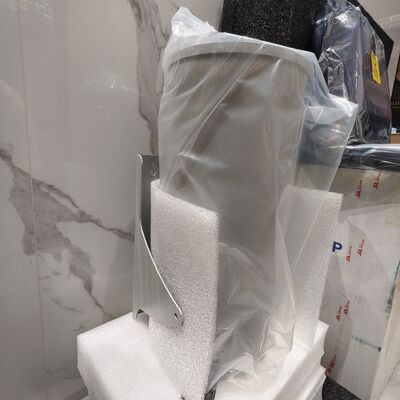
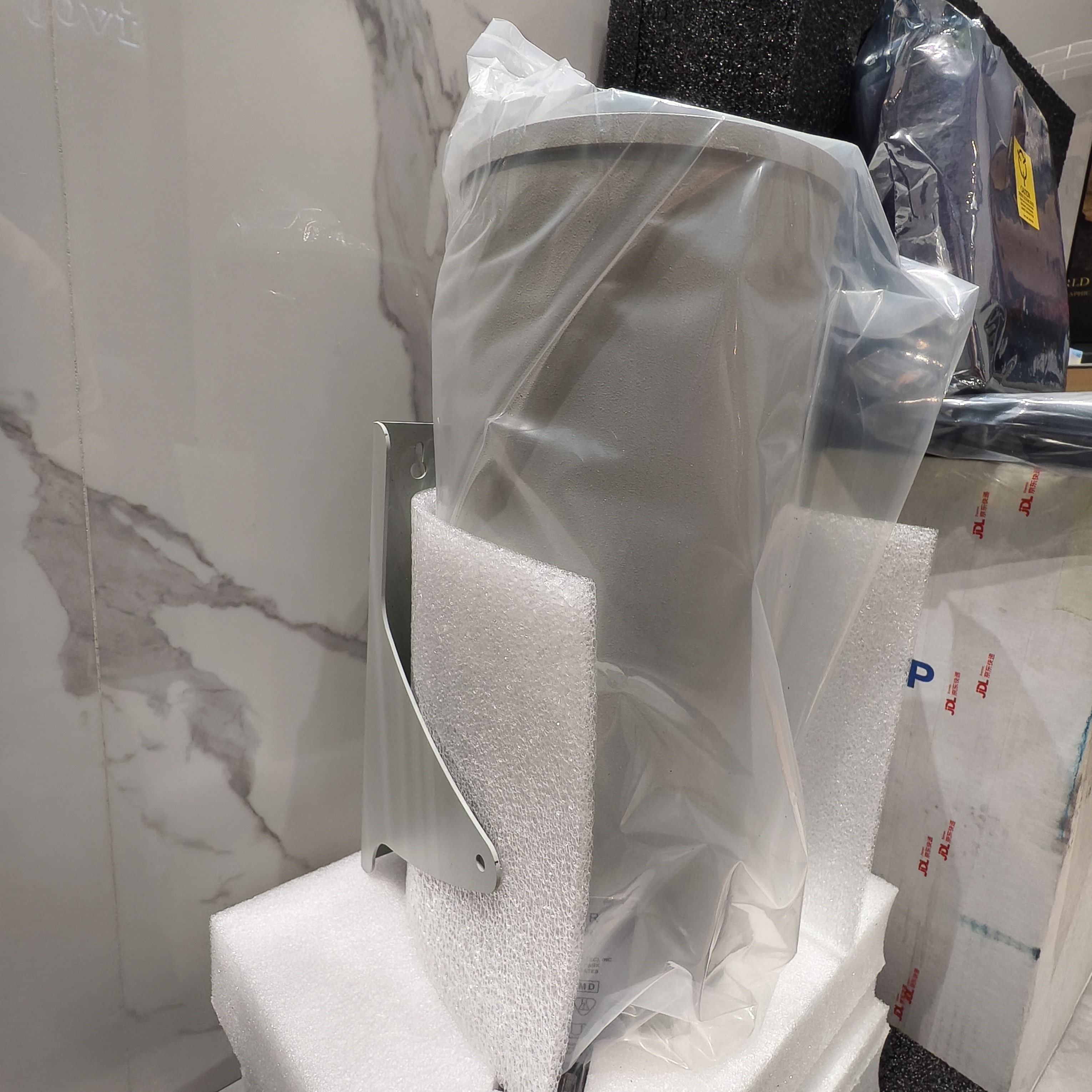
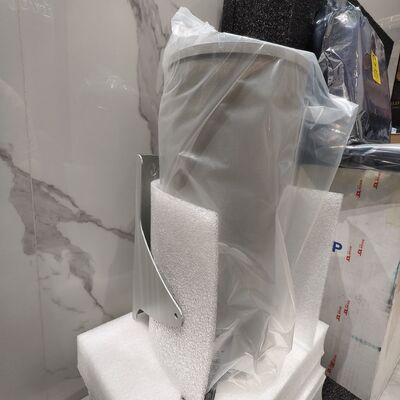
تفاصيل المنتج
| نطاق القياس | 0.01 μSv/h إلى 10 Sv/h | نطاق طاقة التصوير | 50 كيلو فولت – 1500 كيلو فولت |
|---|---|---|---|
| نوع الكشف | ألفا ، بيتا ، جاما ، الأشعة السينية | منطقة نافذة الكشف | 75 سم² |
| نطاق معدل الجرعة | 10⁻⁶ غراي/ساعة-10 غراي/ساعة | درجة حرارة التخزين | -20 درجة مئوية - 50 درجة مئوية |
منتوج وصف
معايير الجرعة ذات القناة الواحدة مخصصة لجرعات حقن الخلايا الساخنة
مقدمة المنتج
عداد الجرعة القناة الواحدة هي أداة متخصصة الأمثل لمهمة واحدة: قياس النشاط الإشعاعي في الحقن المملوءة مسبقًا.على عكس معايير الأغراض العامة التي يجب أن تستوعب القوارير، الكبسولات والحبوب والحقن، تم تصميم هذا الجهاز حصراً للحقن. تصميم القناة الواحدة يسهل التشغيل، يقلل من التكلفة،ويحقق دقة قياس متفوقة لهيومتريات الحقنةتم تشكيل غرفة التأين لتقبل حقن 1 مل، 3 مل، 5 مل، و 10 مل القياسية.مع عمق يضع رأس الحقنة (حيث يوجد معظم المحلول المشع) في نقطة القياس المثلىلا يتضمن الجهاز أية ميزات غير ضرورية، مما يجعله مثالياً للخلايا الساخنة حيث قياس الحقنة هو النشاط الأساسي.
نطاق التطبيق
تم تصميم جهاز معايرة الجرعة القناة الواحدة للأقسام الطبية النووية التي تعد معظم جرعات المرضى في الحقن ، كما هو الحال بالنسبة لجميع مراكز PET / CT تقريبًا ،معظم إدارات SPECT/CT، والعديد من برامج العلاج. التطبيقات الرئيسية تشمل قياس جرعات F-18 FDG لـ PET / CT ، وتحديد كمية المركبات التي تحمل علامة Tc-99m (MDP ، sestamibi ، MAG3 ، إلخ) لدراسات SPECT ،التحقق من جرعات Ga-68 DOTATATE لتصوير الأورام الغدد الصماء العصبية، وقياس جرعات Lu-177 لـ PRRT عند إعطائها بواسطة حقنة.التحقق من أن أنظمة التوزيع الآلية تقدم النشاط الصحيح، وقياس النشاط المتبقي في الحقن الفارغة بعد إعطاء المريض.
الأداء والفوائد
يُحقق معايير الجرعة ذات القناة الواحدة دقة محددة للمحقن± 3%- أفضل من ± 5 ٪ نموذجية لمعايرات الأغراض العامة لقياس الحقن. يتم تحقيق هذه الدقة المحسنة من خلال ثلاثة ميزات تصميم.يتم تحسين هندسة غرفة التأين لتشكل الحقنة، مع الحساسية مركزة في الطرف حيث يتراكم معظم محلول المشعة.يستخدم الجهاز عوامل معايرة محددة للمحقن المستمدة من القياسات الفعلية للمحقن القياسية المملوءة بكل نظيرثالثاً، يمكن تكرار وضع العينة: يضمن إيقاف ميكانيكي أن يتم إدخال كل حقنة إلى نفس العمق تمامًا.القضاء على مصدر مشترك للتغيراتوقت الاستجابة أقل منثلاث ثوانيللجرعات النموذجية للمريض (5 20 مسي) ، وتغطي وظيفة التنظيم الذاتي الأنشطة من0. 1 ميكروغرام إلى 2 ميكروغراميظهر العرض النشاط في mCi أو MBq بأرقام كبيرة سهلة القراءة ، مع تنبيه صوتي عند اكتمال القياس.يتضمن الجهاز مكتبة مدمجة لعوامل معايرة الحقنة لجميع النظائر الطبية الشائعة: F-18، Ga-68، Tc-99m، I-123، I-131، Lu-177، و Y-90. لكل نظير، تحتوي المكتبة على عوامل للعديد من علامات الأشرطة والأحجام (1 مل، 3 مل، 5 مل، 10 مل) ،ويمكن للمستخدمين إضافة عوامل مخصصة للتطبيقات المتخصصة. نظام تسجيل البيانات يخزن ما يصل إلى500 قياس للمحقنةمع البيانات الوصفية الكاملة، وميناء USB يدعم التصدير إلى أنظمة معلومات المختبر. طابعة اختيارية تنتج الملصقات لأوراق المرضى.تصميم القناة الواحدة يوفر العديد من المزايا العمليةالجهاز أصغر من معايرات الأغراض العامة، مما يتطلب مساحة أقل خارج الخلية الساخنة. إنه أسهل في التشغيل، مع عدد أقل من أجهزة التحكم والإعداد أقل.عادة ما يكون أرخص، مما يجعلها جذابة للجهات ذات القيود الميزانية.لا يوجد خطر من استخدام إعداد الهندسة الخاطئ مصدر شائع للخطأ مع الأدوات ذات الغرض العامبالنسبة لمراكز PET ذات الحجم الكبير التي تقيس المئات من الحقن كل أسبوع، يوفر جهاز معايرة الجرعة القناة الواحدة المزيج الأمثل من الدقة والبساطة والقيمة.عن طريق القضاء على الميزات غير الضرورية لقياس الحقنة، الجهاز يركز على القيام بشيء واحد بشكل استثنائي. Nuclear medicine departments that pair this syringe-dedicated calibrator with a separate vial-dedicated calibrator achieve better overall accuracy than using a single general-purpose instrument for both geometries.
المنتجات الموصى بها
-
VIDEO
