


جميع المنتجات
-
الحماية من الإشعاع النووي
-
كاشف الإشعاع النووي
-
تدريع رقائق النحاس
-
أبواب محمية RF
-
نوافذ محمية بالترددات اللاسلكية
-
زجاج رصاص للحماية من الإشعاع
-
مجموعة أدوات غير مغناطيسية
-
غرفة RF محمية
-
فتحات التهوية في الدليل الموجي على شكل قرص العسل
-
شريط نحاسي موصل موصل
-
شبكة الأسلاك النحاسية
-
X راي زجاج الرصاص
-
حشية التدريع EMI
-
نسيج موصل كهربائيا
-
باب الحماية من الإشعاع
-
الحماية من الإشعاع X راي
-
فاراداي كيج MRI
-
صوف الأسلاك النحاسية
-
إضاءة LED للتصوير بالرنين المغناطيسي
-
كرسي متحرك غير مغناطيسي
-
نقالة غير مغناطيسية
-
 أنستنفيس قرص العسل النحاسي يبدو لطيفًا جدًا
 -
 ساتيشتتألق أبواب التصوير بالرنين المغناطيسي / التردد الراديوي بالمقابض ، شكرًا لك يا صديقي.
معايير الجرعة عالية الحساسية لقياسات الخلايا الساخنة ذات النشاط المنخفض
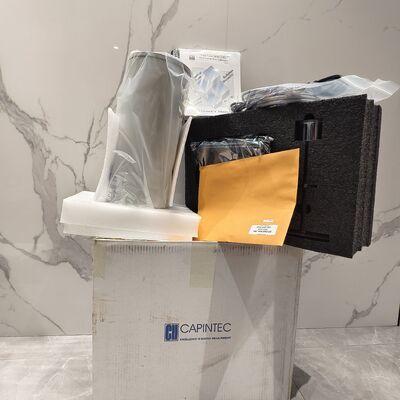
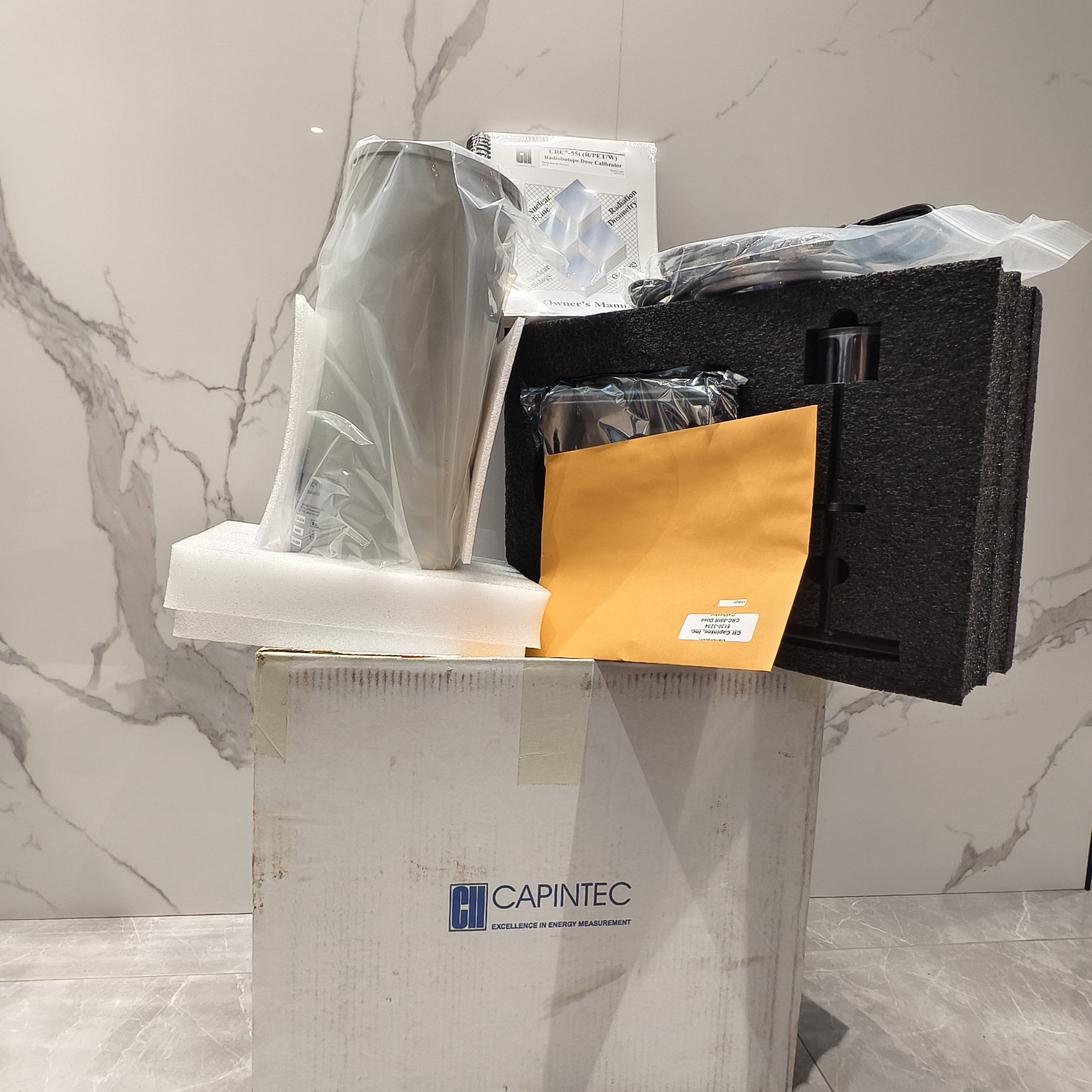
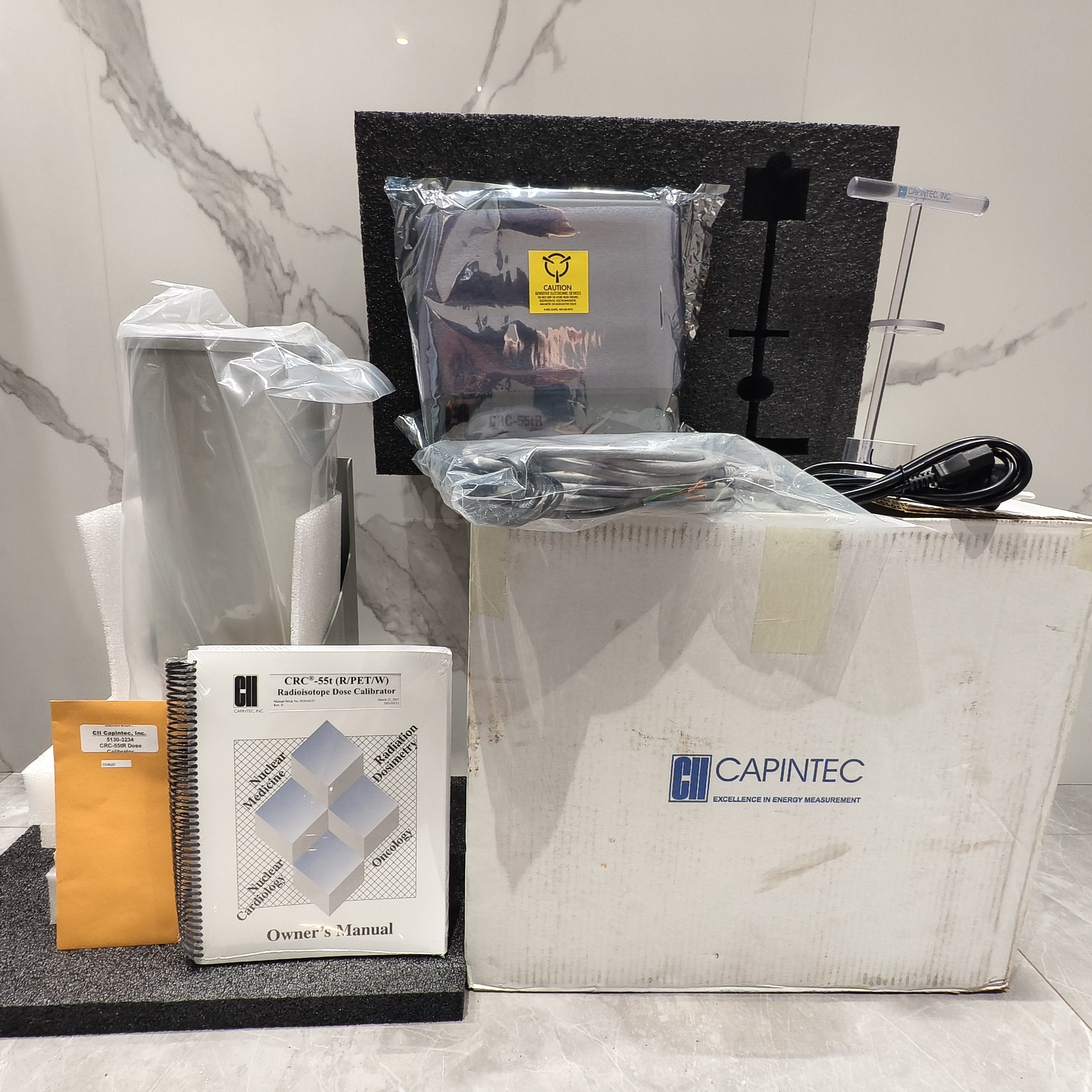
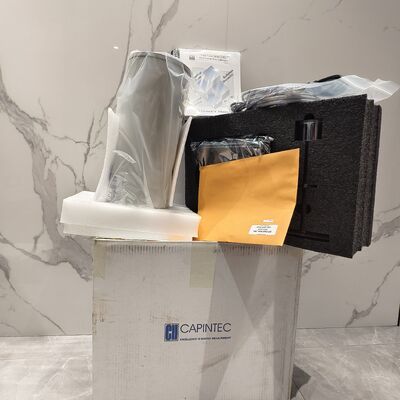
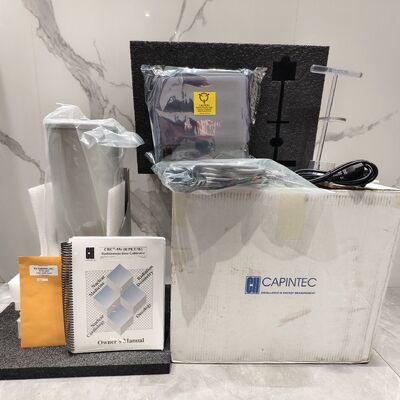
تفاصيل المنتج
| تخزين البيانات | ما يصل إلى 1000 قراءات | نوع الكشف | ألفا ، بيتا ، جاما ، الأشعة السينية |
|---|---|---|---|
| نطاق الجرعة | 0.01-1000 ميكروسيفرت/ساعة | وزن | حوالي 9.8 كجم |
| مقاس | 350*250*245 (مم) | درجة حرارة التخزين | -40 درجة مئوية إلى 60 درجة مئوية |
منتوج وصف
معايير الجرعة عالية الحساسية لقياسات الخلايا الساخنة ذات النشاط المنخفض
مقدمة المنتج
تم تصميم جهاز معايرة الجرعة عالي الحساسية لقياس عينات النشاط المنخفض جداً إلى 0.01 ميكروسي (10 نانوكوري) بدقة ودقة لا يمكن للأدوات القياسية تحقيقها.قياسات النشاط المنخفض ضرورية لتوصيف النفايات، ومراقبة التلوث، ومراقبة جودة نقاء الأدوية المشعة.معايير الجرعة القياسية لديها حساسية محدودة لأنها تم تحسينها لأنشطة الجرعة للمريض (مجموعة mCi إلى Ci)يستخدم هذا الجهاز غرفة إيونية أكبر، إلكترونيات أقل ضوضاء، وأوقات العد الممتدة لتحقيق حساسية أعلى 100 مرة من المعايير القياسية.يُثبَتُ الكاشفُ داخل الخليةِ الساخنةِ مثل a معايير عادي، ولكن حساسيتها المزايدة تمكن القياس المباشر للعينات التي تتطلب نقلها إلى عداد منفصل منخفض النشاط.
نطاق التطبيق
تم تصميم جهاز معايرة الجرعة عالي الحساسية لإدارات الطب النووي التي تحتاج إلى قياسات دقيقة منخفضة النشاط للامتثال التنظيمي أو ضمان الجودة.تتضمن التطبيقات الأساسية قياس النشاط المتبقي في القوارير الفارغة والحقن لتحديد ما إذا كانت تلبي حدود الإفراج التنظيمية (عادة < 0..5 ميكروسيليوم في حالة الإفراج غير المقيد) ، وتوصيف تدفقات النفايات لتصنيف التخلص المناسب ، وإجراء اختبارات مسح للتحقق من التلوث ،قياس النقاء الإشعاعي الكيميائي عن طريق حساب شريط الكروماتوجرافية، كمية مصادر المعايرة منخفضة النشاط، وقياس مستويات إشعاع الخلفية في بيئة الخلية الساخنة. The instrument is equally valuable for research applications involving low-activity tracers and for quality control of radiopharmaceuticals where purity specifications require detection of trace impurities.
الأداء والفوائد
يقيّم معايير الجرعة عالية الحساسية الأنشطة منخفضة تصل إلى 0.01 ميكروسي (10 نسي) بدقة ± 10٪، والأنشطة التي تصل إلى 0.1 ميكروسي بدقة ± 5٪.يتم تحقيق هذه الحساسية من خلال ثلاثة ميزات تصميمأولاً، غرفة التأين أكبر (250 سم) من الغرف القياسية (عادة 50-100 سم) ، وتجمع المزيد من أحداث التأين لكل وحدة نشاط. ثانياً،يستخدم المقياس الكهربائي مكبرات ضوضاء منخفضة مع قاع ضوضاء 1 فا (femtoampere) أقل من الأدوات القياسية بـ 10 مراتثالثًا، يدعم الجهاز أوقات العد الممتدة (تصل إلى 60 ثانية) ، وسرعة التداول للحساسية عند الحاجة." والآلة تتمدد تلقائيًا وقت العد لتحقيق الدقة الإحصائية المطلوبةيظهر العرض عملية القياس في التقدم، وتحديث القراءة وتقدير عدم اليقين مع تراكم البيانات.يمكن للمستخدم وقف القياس عندما يتم تحقيق دقة كافية أو السماح لها أن تستمر إلى أقصى وقتبالنسبة للأنشطة المنخفضة جداً (أقل من 0.1 ميكروسيليوم) ، يقوم الجهاز بإجراء قياس في مرحلتين: أولاً قياس الخلفية دون عينة (تخزين النتيجة) ، ثم قياس العينة.يطرح البرنامج قراءة الخلفية ويحسب النشاط الصافي للعينة مع عدم اليقينهذا الخصم من الخلفية ضروري لقياس دقيق للنشاط المنخفض لأن الضوضاء الإلكترونية الخاصة بالأداة والخلفية البيئية تصبح مهمة في هذه المستويات.الجهاز يحتوي على خيار حجب الغرفة غلاف رصاص 2 ملم يقلل من الخلفية البيئية بمعدل 5لقياس شرائط الكروماتوجرافية لتقييم النقاء الإشعاعي الكيميائي، يحتوي الجهاز على حامل الشريط الذي يضع الشريط في الهندسة المثلى.يقطع المستخدم الشريط إلى أجزاء (عادة 5-10 أجزاء) ويقيس كل جزء في جهاز المعايرةيجمع البرنامج النشاط في جميع القطاعات، ويحسب النسبة المئوية في كل قطاع، ويقارن مع معايير القبول.هذه الطريقة هي أسرع بكثير وأقل شخصية من قطع الشرائط والعد في عداد البئريحتوي الجهاز على جميع ميزات عداد الجرعات القياسية لقياسات النشاط العالي أيضا، تغطي النطاق الكامل من 0.01 ميكروسيليوم إلى 5 ميكروسيليوم.الفائدة الرئيسية هي القدرة على إجراء قياسات منخفضة النشاط داخل الخلية الساخنة دون نقل العينات إلى جهاز منفصل.تحويل العينات لحساب النشاط المنخفض يزيد من التعرض وخطر التلوث ووقت التعامل. يزيل المعايير عالية الحساسية خطوة النقل هذه.تبسيط سير العمل مع الحفاظ على الدقةبالنسبة لإدارة النفايات، فإن القدرة على قياس النشاط المتبقي مباشرة داخل الخلية الساخنة تسريع تصنيف النفايات وتضمن الامتثال لمحدود الإفراج.القدرة على قياس العينات ذات النشاط المنخفض (مثل شريط الكروماتوجرافيا) باستخدام نفس الأداة المستخدمة لإعداد الجرعة، مما يسهل العمليات.يمتد معايير الجرعة ذات الحساسية العالية من نطاق تطبيقات معايير الجرعة دون الحاجة إلى نظام احتساب منفصل منخفض النشاط.
المنتجات الموصى بها
-
VIDEO
