


جميع المنتجات
-
الحماية من الإشعاع النووي
-
كاشف الإشعاع النووي
-
تدريع رقائق النحاس
-
أبواب محمية RF
-
نوافذ محمية بالترددات اللاسلكية
-
زجاج رصاص للحماية من الإشعاع
-
مجموعة أدوات غير مغناطيسية
-
غرفة RF محمية
-
فتحات التهوية في الدليل الموجي على شكل قرص العسل
-
شريط نحاسي موصل موصل
-
شبكة الأسلاك النحاسية
-
X راي زجاج الرصاص
-
حشية التدريع EMI
-
نسيج موصل كهربائيا
-
باب الحماية من الإشعاع
-
الحماية من الإشعاع X راي
-
فاراداي كيج MRI
-
صوف الأسلاك النحاسية
-
إضاءة LED للتصوير بالرنين المغناطيسي
-
كرسي متحرك غير مغناطيسي
-
نقالة غير مغناطيسية
-
 أنستنفيس قرص العسل النحاسي يبدو لطيفًا جدًا
 -
 ساتيشتتألق أبواب التصوير بالرنين المغناطيسي / التردد الراديوي بالمقابض ، شكرًا لك يا صديقي.
معايير الجرعة بالخلايا الساخنة لمراقبة جودة نشاط النوكليديات المشعة
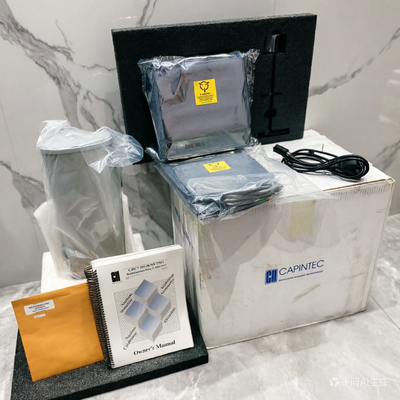
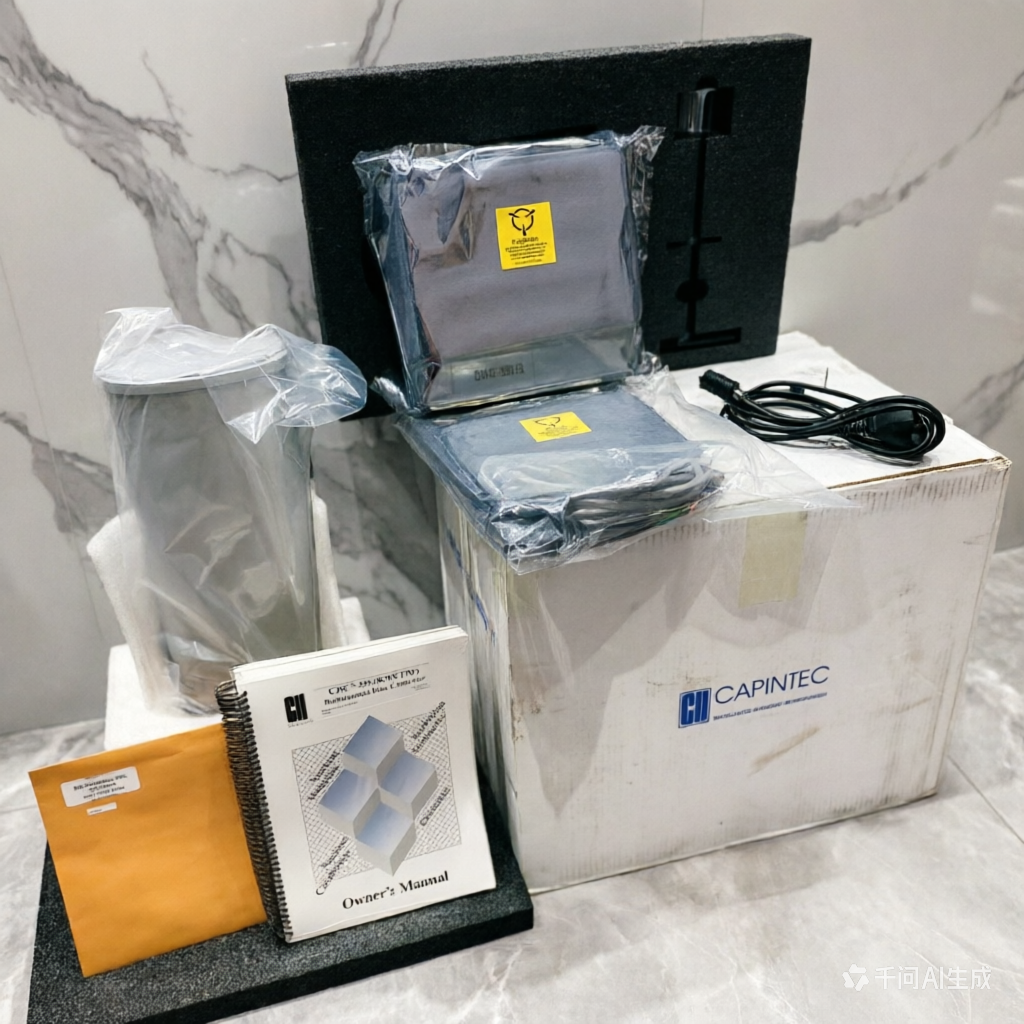
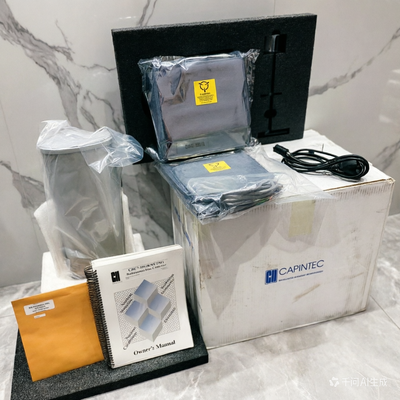
تفاصيل المنتج
| درجة حرارة التخزين | -40 درجة مئوية إلى 60 درجة مئوية | نطاق الجرعة التراكمية | 0.1 ميكروسيفرت ~ 10 سيفرت |
|---|---|---|---|
| تخزين البيانات | ما يصل إلى 1000 قراءات | درجة حرارة التشغيل | -20 درجة مئوية إلى 50 درجة مئوية |
| وزن | حوالي 9.8 كجم | مقاس | 350*250*245 (مم) |
منتوج وصف
معايير الجرعة بالخلايا الساخنة لمراقبة جودة نشاط النوكليديات المشعة
مقدمة المنتج
تم تصميم جهاز معايرة الجرعة للخلايا الساخنة للسيطرة على الجودة خصيصًا لدعم برنامج ضمان الجودة الشامل المطلوب من قبل لوائح الطب النووي وهيئات الاعتماد.يجب أن يخضع كل جهاز لتحديد الجرعة للتحقق من الثبات اليومي، اختبار خطية ربع سنوي، والتحقق السنوي للمعايرة. تقليديا يتم تنفيذ هذه الاختبارات باستخدام مصادر خارجية التي يجب التعامل معها خارج الخلية الساخنة،زيادة تعرض الموظفين وخطر التلوثهذا الجهاز يدمج بروتوكولات مراقبة الجودة في برنامجها، وتوجه المستخدم من خلال كل اختبار مطلوب، حساب النتائج، وتخزين السجلات للتفتيش.يظل الكاشف داخل الخلية الساخنة لجميع إجراءات مراقبة الجودة، مما يلغي الحاجة إلى نقل المصادر.
نطاق التطبيق
تم تصميم جهاز معايرة الجرعة هذا للأقسام الطبية النووية التي يجب أن تلتزم بالمتطلبات التنظيمية لاختبار أداء جهاز معايرة الجرعة.تطبيقات مراقبة الجودة المحددة تشمل فحص الثبات اليومي باستخدام مصدر مرجع طويل العمر (عادة Cs-137 أو Co-57)، اختبار خطية ربع سنوي باستخدام طريقة التسوس أو طريقة الغلاف، دراسات الاختلاف الهندسي مقارنة بين أنواع مختلفة من الحقن والقنينة، مراقبة إشعاع الخلفية،والتحقق السنوي من المعايير القابلة للتعقب إلى المعايير الوطنيةكما تدعم الأداة اختبار القبول للأدوية الإشعاعية الجديدة، ودراسات قابلية القياس للنشر، وبروتوكولات المقارنة بين الأدوات لشبكات الطب النووي متعددة المواقع..بالإضافة إلى مراقبة الجودة، يقوم جهاز المعايرة بأداء مهام قياس الجرعة الروتينية بما في ذلك التحقق من نشاط المولد، وتوزيع الجرعة للمريض، وتوصيف نشاط النفايات.
الأداء والفوائد
جهاز معايرة الجرعة بالخلايا الساخنة لمراقبة الجودة يحقق دقة قياسية تصل إلى ± 5٪ مع إمكانية إعادة إنتاجية تصل إلى ± 2٪ للقياسات المتكررة.تتضمن وحدة برمجيات مراقبة الجودة في الجهاز تعليمات خطوة بخطوة لكل اختبار مطلوب، القضاء على التخمينات والحد من احتمال حدوث أخطاء إجرائية.يسجل القراءة تلقائيًا، يقارنها بالقيمة المتوقعة، ويشير إلى أي انحراف يتجاوز الحدود المقبولة (عادة ± 10%). يحتفظ البرنامج بسجل تاريخي لنتائج فحص الثبات،إظهار الاتجاهات مع مرور الوقت لتنبيه المستخدمين إلى التغيرات التدريجية في الأداء التي قد تشير إلى انحراف المعايرةلاختبار الخطيّة الفصليّ،البرنامج يدعم كلاً من طريقة التدهور (قياس مصدر بشكل متكرر أثناء تدهوره على مدى فترات نصف عمر متعددة) وطريقة الغطاء (باستخدام خفّفات معايرة). يعد الآلة تلقائيًا انحراف الخطية ، وتحديد أي مناطق غير خطية ، وتنتج تقرير المرور / الفشل. لدراسات التباين الهندسي ،البرنامج يرشد المستخدم من خلال قياسات نفس المحلول المشع في أنواع مختلفة من الحقن أو القارورة، يحسب عوامل تصحيح الهندسة، ويحفظها لاستخدامها في القياسات الروتينية. يتم تخزين جميع سجلات مراقبة الجودة في قاعدة بيانات داخلية مع طوابع زمنية وتعرف المستخدم،ومصدر USB يسمح بالتصدير إلى جداول البيانات أو أنظمة إدارة الجودة. ينتج مخرج الطابعة سجلات مطبوعة مناسبة للتفتيش التنظيمي. ويتضمن الجهاز نظام تنبيه يبلغ المستخدمين عندما تكون اختبارات مراقبة الجودة متوقعة.الحد من خطر عدم الامتثال بسبب اختبارات مفقودةوبالنسبة لإدارات الطب النووي، فإن الفوائد الرئيسية هي الامتثال التنظيمي المبسط من خلال بروتوكولات وسجلات مراقبة الجودة الآلية.تقليل التعرض للموظفين لأن اختبارات QC تتم داخل الخلية الساخنة دون تحريك المصادر، تحسنت الثقة في دقة جرعة المريض لأن سجلات مراقبة الجودة تظهر أداء الأداة، وتوفير الوقت مقارنة بإجراءات مراقبة الجودة اليدوية.دمج جهاز مراقبة الجودة ووظائف قياس الجرعة الروتينية يلغي الحاجة إلى جهاز معايرة منفصل لمراقبة الجودة فقط، والحد من تكاليف المعدات ومتطلبات مساحة العمل.توفر سجلات مراقبة الجودة الشاملة وثائق قابلة للدفاع عن عمليات التفتيش التنظيمية واستطلاعات الاعتماد.
المنتجات الموصى بها
-
VIDEO
